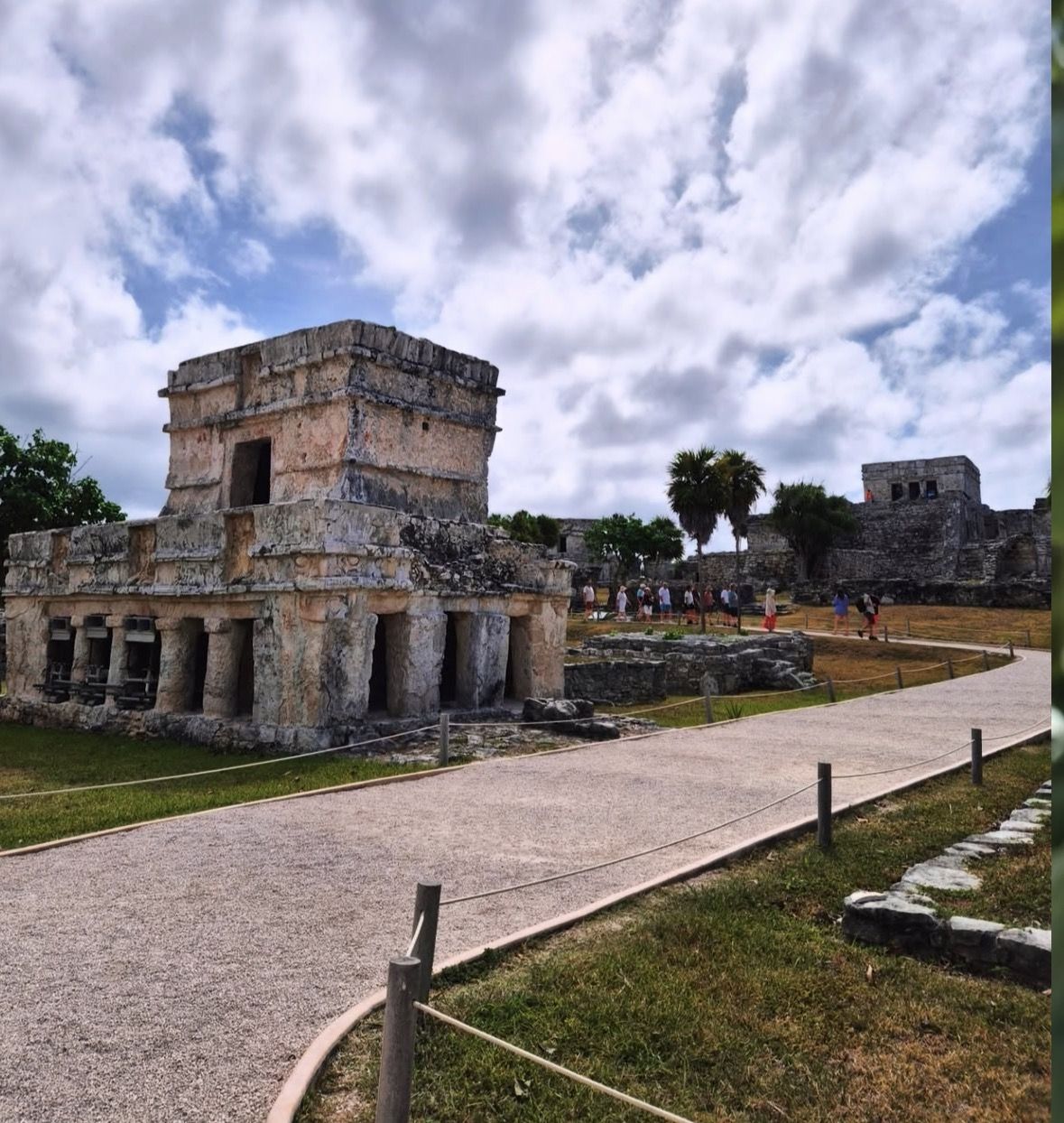
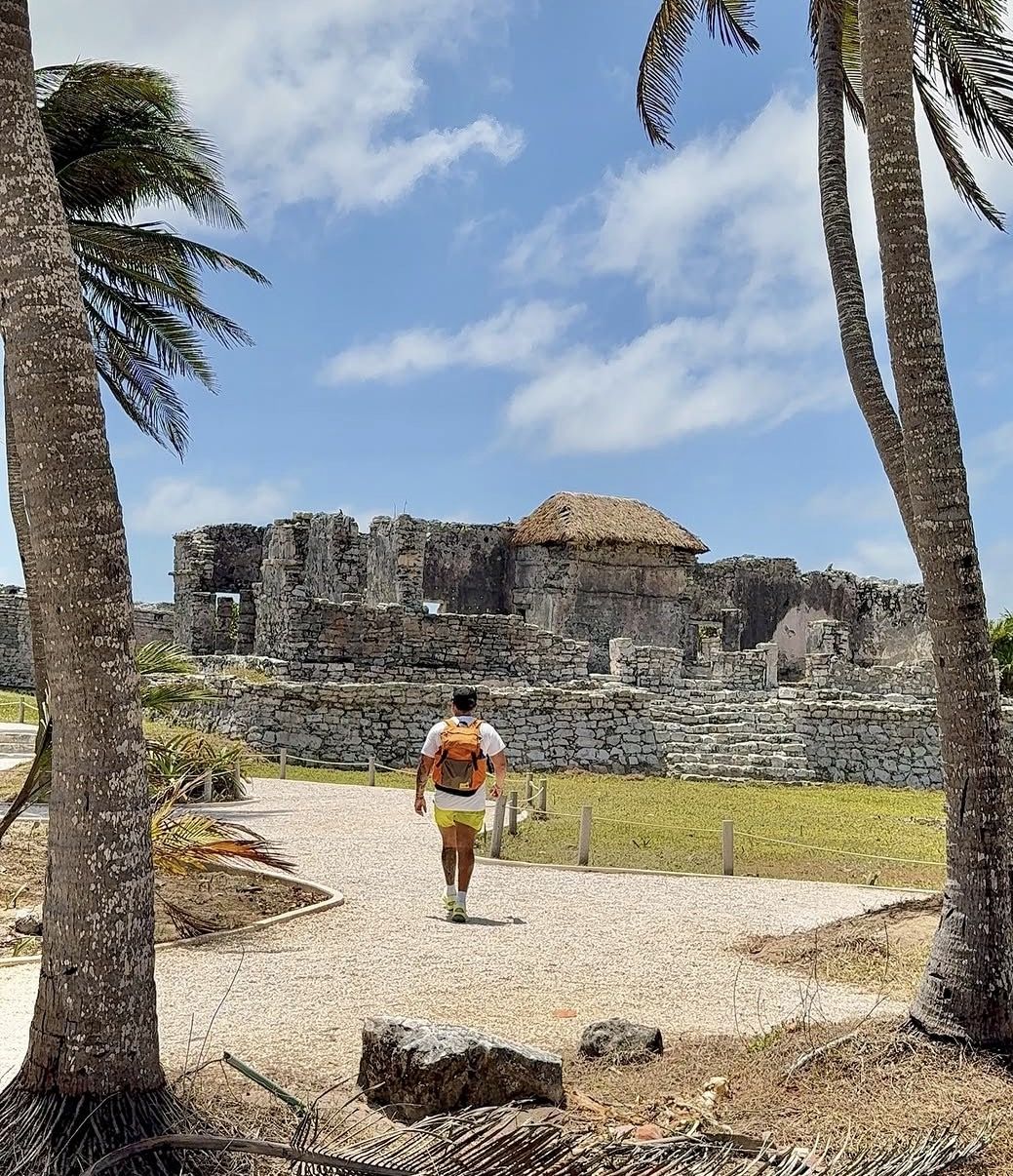
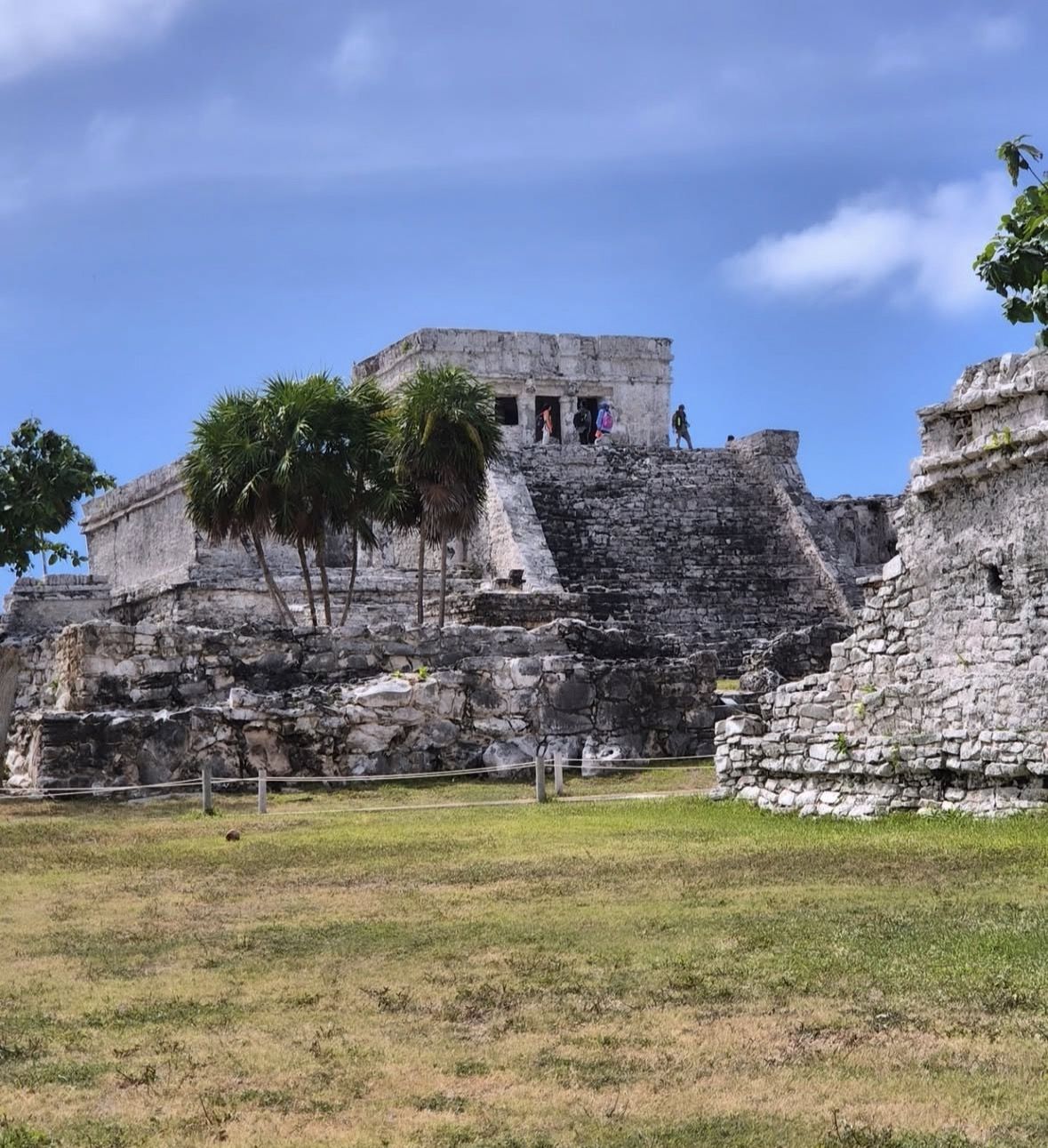
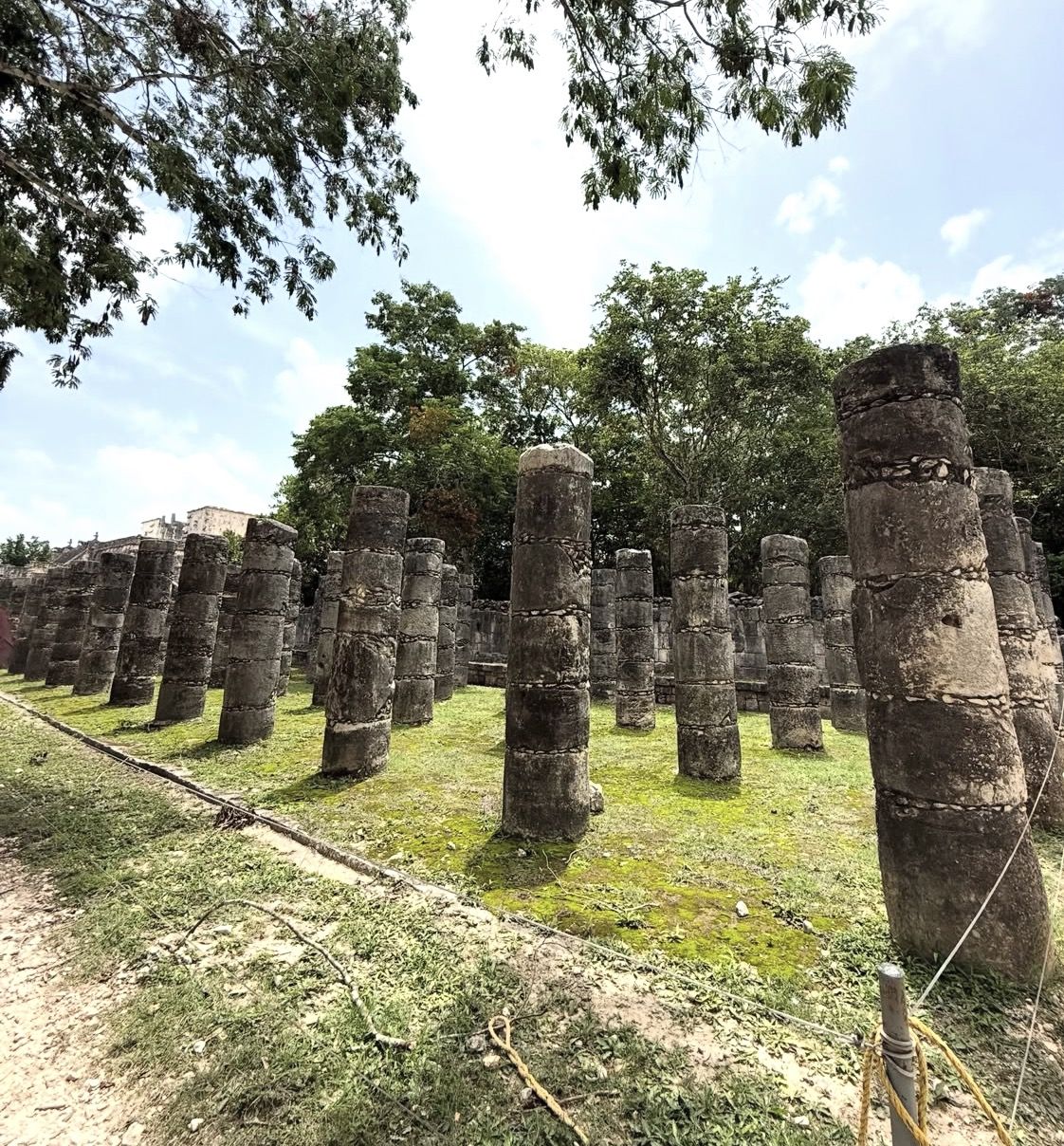
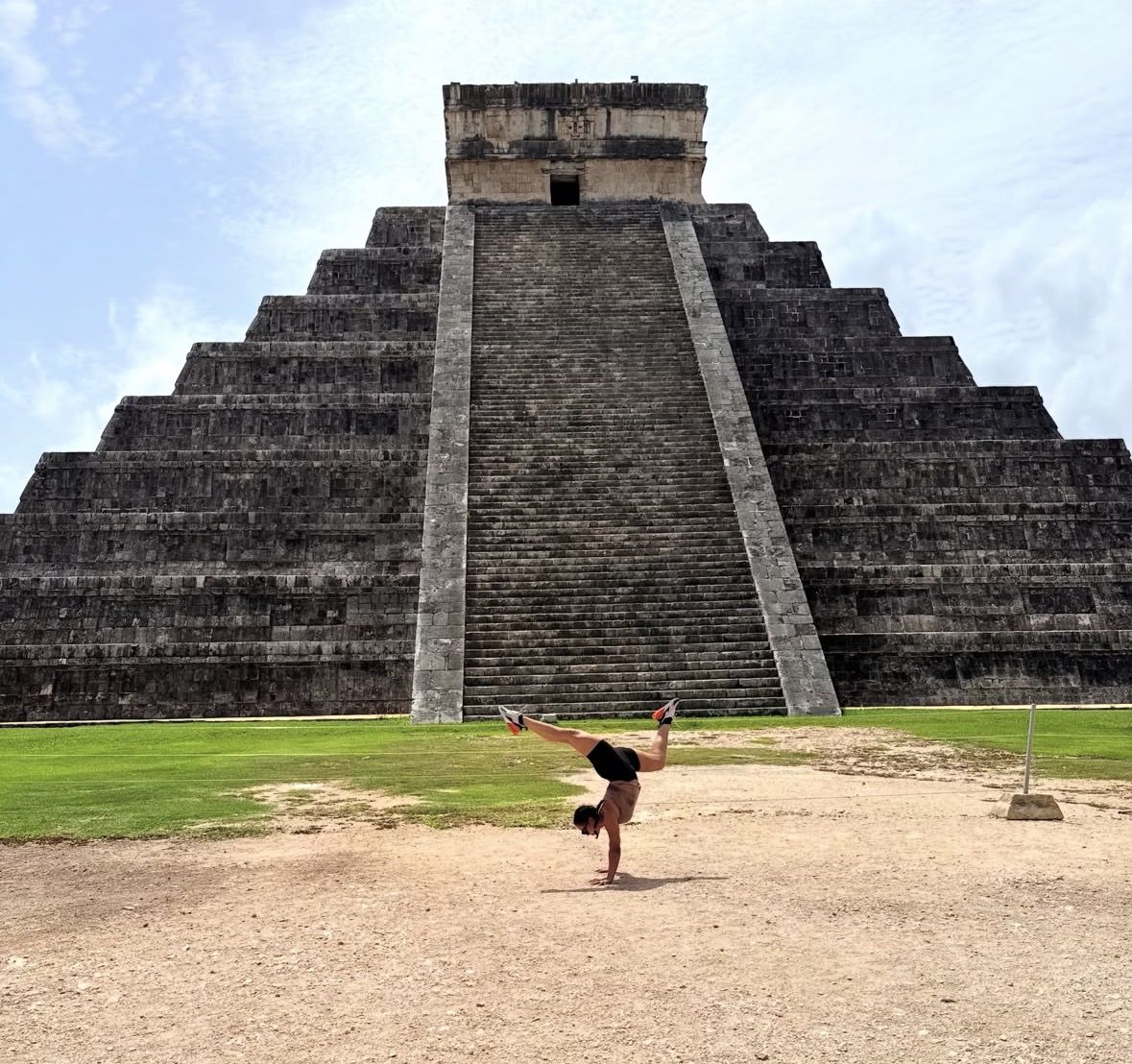
Perched dramatically above the turquoise Caribbean Sea, this ancient walled city is one of Mexico's most iconic and visually stunning archaeological sites. Whether you arrive from Cancún, Playa del Carmen, or Cozumel, the experience is nothing short of unforgettable.
Featured Tour
The Tulum Ruins, Turtles in Akumal and Cenote tour packs the very best of the Riviera Maya into a single seamless itinerary. You'll walk the clifftop temples of Tulum, snorkel with gentle sea turtles in Akumal Bay, and cool off with a swim through luminous underground caves. A freshly prepared taco lunch, all snorkeling gear, and comfortable round-trip transportation are included — so all you need to bring is your sense of wonder.
About the Destination
Situated on the northeastern coast of the Yucatán Peninsula, this ancient site commands one of the most dramatic natural settings of any archaeological destination in the Americas. It sits roughly 130 km south of Cancún and just 60 km south of Playa del Carmen, making it highly accessible for visitors across the Riviera Maya.
The site occupies a limestone cliff overlooking the Caribbean Sea in the state of Quintana Roo, Mexico. Surrounded by a protective stone wall on three sides and the ocean on the fourth, the ancient city was masterfully positioned as both a fortress and a bustling maritime port. Today, visitors can stroll through the ruins and gaze out over one of the most photographed coastlines in Latin America, where turquoise water meets white sand directly below the ancient temples.
Tulum flourished between the 13th and 15th centuries CE as a key port city in the Maya trading network, serving as the principal gateway for goods traveling to and from the inland city of Cobá. It was among the last Maya cities to be abandoned, with some inhabitants remaining well into the early Spanish colonial period. The site's name, meaning 'wall' or 'fence' in Yucatec Maya, reflects the impressive defensive perimeter that still stands today, preserving structures like El Castillo, the Temple of the Descending God, and the Temple of the Frescoes.
Visiting offers a sensory experience unlike any other archaeological site in Mexico. The sound of waves crashing below El Castillo, the warmth of the tropical sun on ancient stonework, and the occasional iguana basking at your feet create an atmosphere that is equal parts history and paradise. Guided tours deepen every moment, helping you decode carvings, murals, and astronomical alignments that silent stones alone cannot explain. A tulum mayan ruins tour typically lasts two to three hours on-site, giving ample time to explore without rushing.
The main temple, El Castillo, sits atop a 12-meter limestone cliff above the Caribbean. This dramatic elevation made it visible to approaching Maya trading canoes from miles offshore.
The city rose to prominence around the 13th century CE during the late Postclassic Maya period. It thrived as a commercial hub for at least two centuries before European contact.
Visitors pay three separate fees: an INAH archaeological site ticket, a CONANP natural reserve bracelet, and a Jaguar Park access charge. Together these total approximately 515 Mexican pesos for foreign adults.
More than 60 individual buildings have been identified within the walled enclosure. Highlights include El Castillo, the Temple of the Frescoes, and the Temple of the Descending God.
Remarkably, a small beach sits at the base of the cliffs within the archaeological zone itself. Visitors can descend wooden stairs to swim in the clear turquoise water directly below the ancient temples.
It ranks among the three most visited archaeological zones in Mexico, welcoming millions of tourists each year. Its combination of coastal scenery and Maya heritage makes it uniquely compelling.
A certified guide brings the ancient city to life, explaining the symbolism behind carvings, the function of each building, and the remarkable astronomical knowledge of its builders. A quality tulum mayan ruins tour typically covers all major structures in two to three hours.
The Tulum ruins turtles in Akumal and cenote tour combines the archaeological site with a snorkeling session in Akumal Bay, where wild green sea turtles glide peacefully among coral heads in shallow, clear water.
Many combo tours include a stop at a nearby cenote — a sacred Maya freshwater sinkhole — where you can swim in crystal-clear, naturally filtered water surrounded by stalactites and tropical jungle.
Early arrivals are rewarded with golden light illuminating El Castillo while the site is nearly empty of other visitors. The interplay of ancient stone, tropical green, and Caribbean turquoise creates extraordinary photographic opportunities.
Descend the wooden staircase inside the ruins to reach the small enclosed beach at the cliff base. Swimming here, framed by ancient walls on three sides and open sea on the fourth, is a genuinely once-in-a-lifetime experience.
The site hosts a thriving population of black spiny-tailed iguanas that freely roam the ruins and often pose on temple walls. Coatis, tropical birds, and the occasional spider monkey have also been spotted in the surrounding jungle fringe.
Choosing between Mexico's extraordinary archaeological sites depends on your priorities — here's how each one stacks up.
Mexico's Yucatán Peninsula is home to some of the world's most spectacular Maya heritage sites, and deciding where to spend your limited vacation days can be genuinely challenging. Tulum Ruins hold a unique position in the landscape: they offer coastal drama that no inland site can match, while remaining compact enough for a comfortable half-day visit. This comparison helps you weigh the site against three equally celebrated alternatives so you can align your choice with your interests, tolerance for crowds, and travel style.
| Crowds | Price | Best For | What Sets It Apart | |
|---|---|---|---|---|
| ★ Tulum Ruins | High (arrive early) | ~515 MXN (~$25 USD) | Scenery lovers & beach fans | Only Maya ruins overlooking the Caribbean Sea |
| Chichen Itza | Very High (peak hours) | ~600 MXN (~$30 USD) | History buffs & architecture fans | Largest & most historically significant Maya city |
| Cobá | Moderate | ~85 MXN (~$4 USD) | Adventure seekers | Climbable pyramid deep in jungle canopy |
| Uxmal | Low | ~500 MXN (~$25 USD) | Serious archaeology enthusiasts | Finest Puuc-style architecture; far fewer crowds |
Each site offers something genuinely irreplaceable, but Tulum Ruins stand apart through sheer visual drama — no other ancient city in Mexico places you on a Caribbean clifftop with waves crashing below. For travelers who want history woven seamlessly into a beach holiday, and who value accessibility from resort towns, this site delivers an experience that Chichen Itza, Cobá, and Uxmal simply cannot replicate.
Travel Guide
Everything you need to know to plan a seamless, memorable visit to this iconic Maya clifftop city.
The nearest international airport is Cancún International Airport (CUN), located approximately 130 km north. From there, the most comfortable options are a private transfer or a pre-booked guided tour that handles all logistics. A Tulum ruins tour from Cancun typically departs early in the morning and includes round-trip transportation, making it the most hassle-free choice for first-time visitors staying in the Hotel Zone.
Travelers based in Playa del Carmen enjoy a shorter 60 km journey south and can book a Tulum ruins tour from Playa del Carmen for a convenient half-day or full-day excursion. Visitors on Cozumel Island can combine a ferry crossing with a Tulum ruins tour from Cozumel, which typically includes transfers on the mainland. ADO buses also run direct routes to Tulum town from both Cancún and Playa del Carmen bus terminals.
The optimal months for visiting are November through April, when the dry season brings lower humidity, clearer skies, and cooler morning temperatures. December through March is peak tourist season, so expect larger crowds but ideal weather conditions. For the best balance of good weather and manageable visitor numbers, consider the shoulder months of November, late April, or early May before the summer rains fully arrive.
May through October brings the rainy season and elevated humidity, with afternoon downpours common from June onward. Hurricane season officially runs June to November, though Tulum itself rarely takes direct hits. Summer mornings can still be pleasant before the heat peaks, and hotel rates drop significantly during this period. Regardless of season, arriving at opening time (8:00 AM) is universally recommended to beat both the crowds and the intense midday tropical sun.
The site is entirely outdoors with minimal shade, so sun protection is your single most important preparation. Bring a broad-spectrum SPF 50 sunscreen, applying it before you enter since some eco-zones near the site restrict chemical sunscreens to protect coral reefs. A wide-brimmed hat and UV-protective sunglasses will make exploring the open plazas between temples far more comfortable during midday hours.
Wear lightweight, breathable clothing in natural fabrics such as linen or moisture-wicking synthetics — jeans and heavy fabrics will feel punishing in tropical heat. Comfortable closed-toe walking shoes or sandals with good grip are essential, as some pathways involve uneven stone surfaces. If you're adding a cenote swim or Akumal snorkeling to your day, pack a swimsuit, a quick-dry towel, and water shoes in a daypack.
Purchasing your tickets online in advance can save you from long queues, especially during peak season when lines form before the gates even open. Note that there are three separate fees — INAH, CONANP, and Jaguar Park — so budget around 515 MXN per adult and confirm current prices online before you go, as they adjust periodically. Guided tours often include pre-purchased entry, streamlining your arrival considerably.
Photography is freely permitted throughout the site, but climbing on any structure is strictly prohibited and actively enforced by site staff. Small souvenir and craft vendors operate just outside the archaeological zone and offer better prices than those immediately at the exit. Nearby Tulum town has excellent taco spots and fresh juice bars perfect for a post-ruins meal — far better value than tourist restaurants directly adjacent to the site.
No special vaccinations are required for visiting the Yucatán Peninsula beyond staying current with routine immunizations. However, hepatitis A and typhoid vaccines are sometimes recommended for travelers who plan to eat from street food vendors extensively. Mosquito-borne illnesses including dengue fever are present in the region, making insect repellent important especially during and after the rainy season from May to October.
The site itself is well-maintained and generally safe, with security personnel present throughout the archaeological zone. Petty theft can occur in crowded areas, so keep valuables in a secure daypack and avoid displaying expensive jewelry or electronics unnecessarily. In the event of a medical emergency, Tulum town has basic clinic facilities; the nearest hospital with full emergency services is in Playa del Carmen, approximately 60 km north.
Explore More
Extend your adventure with these spectacular attractions just a short journey from the ancient cliffs.

The Tulum Ruins Guided Tour from Cancun and Riviera Maya is your passport to one of Mesoamerica's most dramatic archaeological wonders.
Check this tour →
The Tulum Ruins, Turtles in Akumal and Cenote tour packs the very best of the Riviera Maya into a single seamless itinerary.
Check this tour →
The Tulum Ruins and Cenote Guided Tour from Cancun takes you on a remarkable journey through one of the Yucatán Peninsula's most celebrated archaeological landscapes.
Check this tour →
The Tulum Ruins Tour (Private, Half Day) is the perfect way to experience one of Mexico's most breathtaking archaeological sites without the crowds.
Check this tour →
The Tulum Ruins + Mystic Adventure ATV and Cenotes Experience is the ultimate combo for travelers who refuse to choose between culture and adrenaline.
Check this tour →
The Tulum: Snorkeling and Private Sailing Tour is the most breathtaking way to experience this ancient coastline.
Check this tour →
The Tulum & Coba Ruins with Cenote Swim Tour from Playa del Carmen takes you on an unforgettable journey through two of the Yucatán Peninsula's most awe-inspiring archaeological…
Check this tour →Traveler Reviews
See what travelers are saying about their visits to the Tulum Ruins and the unforgettable guided tours available.
"Taking the tulum mayan ruins tour was honestly one of the highlights of our entire Mexico trip. Our guide was incredibly knowledgeable about the history of the site and brought every stone structure to life with fascinating stories. The cliffside views over the turquoise Caribbean Sea were absolutely breathtaking — nothing prepares you for that first glimpse. We arrived early in the morning and had the place nearly to ourselves, which made it feel truly magical."
"We booked the tulum ruins turtles in akumal and cenote tour and it was the best day of our vacation by far. Swimming with sea turtles at Akumal and then cooling off in a crystal-clear cenote made for a perfect combination with the archaeological site. The pacing of the day was just right — never rushed but never boring. I'd recommend this combo tour to absolutely anyone staying on the Riviera Maya."
"We did the tulum ruins tour from cancun and it was well worth the drive down the coast. The bus was comfortable and the guide provided great context throughout the journey. The site itself is stunning — perched right on the cliffs above the sea — though it does get crowded mid-morning, so arriving early really matters. I'd give it five stars if the tour had allowed a bit more free time to explore at our own pace."
"Visiting these ancient ruins was a dream come true for our family. The kids were completely captivated by the stories of the Maya civilization and kept asking our guide question after question. The ocean backdrop is something you simply cannot find at any other archaeological site in Mexico. We spotted an iguana lounging near the Castle temple, which delighted everyone — it felt like the ruins were still very much alive."
"I joined the tulum ruins tour from playa del carmen and it was seamlessly organized from start to finish. The pickup was punctual, the guide was bilingual and engaging, and we had plenty of time to wander the grounds before the crowds arrived. Standing at the edge of the cliff with the emerald sea below felt surreal — like stepping back in time while staring into paradise. Absolutely worth every peso."
"We took the tulum ruins tour from cozumel, which included a ferry crossing and then a guided visit to the site. The logistics were a little complex but the tour operator handled everything smoothly. The archaeological site itself exceeded our expectations — the combination of ancient stone temples and a gleaming Caribbean backdrop is genuinely unique. My only note is to bring more water than you think you need, as it gets very warm by mid-morning."
"What an extraordinary place to spend a morning! The walled city layout gives you a real sense of how this ancient community was organized, and the views from the cliff edge are simply unforgettable. Our guide was passionate and funny, making the historical details easy to absorb even in the heat. We finished just as the big tour groups arrived, which confirmed that getting there at opening time is the right strategy."
"I visited as a solo traveler and joined a small-group guided tour, which turned out to be perfect. The group was friendly, the guide was exceptional, and the site delivered everything I had hoped for — dramatic cliffs, turquoise water, and centuries of Maya history all in one place. Iguanas roam freely around the temples, which adds a wonderfully wild feel to the whole experience. I left feeling genuinely moved and already want to return."
Watch Before You Go
Get a breathtaking preview of the cliffside temples, turquoise sea, and ancient Maya magic before your visit.
Location
Tulum Ruins are located at Zona Arqueológica de Tulum, Tulum, Quintana Roo 77780, Mexico — situated on a limestone cliff overlooking the Caribbean Sea.
FAQ
Everything you need to know before planning your visit to the Tulum Ruins, from ticket prices to the best time to go.
Ready to stand on the cliffs where ancient Maya traders once watched the sea?
Book Your Tour NowDiscover More
Tulum thrived as one of the Yucatán Peninsula's most strategically vital Maya trading ports from roughly 1200 CE, commanding Caribbean sea routes and accumulating wealth in jade, obsidian, and copper. When Spanish explorers first sighted its whitewashed walls gleaming from the sea in 1518, they reportedly mistook it for a city as grand as Seville — a testament to the power and sophistication of the civilization that built it.