Perched on a 12-meter limestone cliff above the turquoise Caribbean, Tulum stands as one of the last great Maya cities ever built — and one of the best preserved. Its walls have witnessed a thousand years of trade, ceremony, conquest, and survival, and they still have stories left to tell.
Tulum's story begins quietly, around 564 CE, when early Maya settlers first recognized the strategic potential of this dramatic stretch of Yucatán coastline. An inscription found within the site, known as Stela 1, bears this date and represents one of the earliest recorded references to the location. At this time, the broader Maya civilization was entering its Classic period, a golden era of monumental architecture and intellectual achievement spanning across what is now Mexico, Guatemala, Belize, and Honduras. Though Tulum itself would not rise to prominence for several more centuries, these initial settlers laid the cultural and spiritual groundwork for everything that followed on this windswept Caribbean bluff.
The city began to take its recognizable shape during the Late Postclassic period, roughly between 1200 and 1450 CE, when it emerged as a prosperous and well-fortified coastal trading hub. Originally known to its inhabitants as Zama, meaning 'City of Dawn' in Yucatec Maya — a fitting name for a settlement that faces the rising sun over the Caribbean Sea — the site grew steadily in influence and population. Tulum occupied a privileged geographic position along busy maritime trade routes that connected the great inland cities of Chichén Itzá and Cobá to ports along the coasts of what are now Honduras and Guatemala. Obsidian, jade, copper, turquoise, and cacao all passed through its harbor.
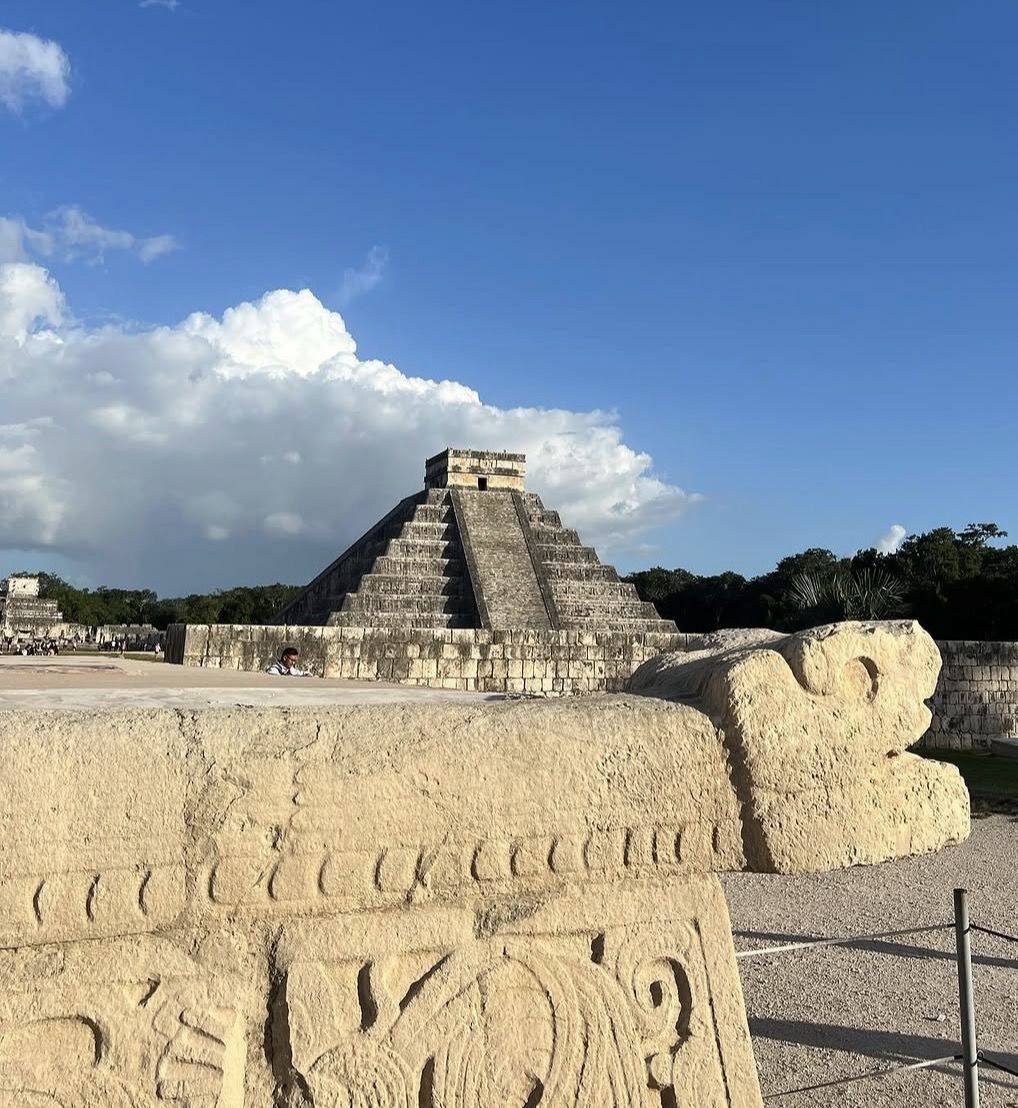
What makes Tulum architecturally distinctive within the Maya world is its remarkable walled enclosure — a defining feature that gives the site its modern name. The word 'Tulum' means 'wall' or 'fence' in Yucatec Maya, and the fortification that surrounds the city on three sides measures up to 784 feet long, 394 feet wide, and stands between 10 and 16 feet tall. Five narrow gateways pierce the wall, designed so that only one person could pass through at a time, making defense both practical and psychologically imposing. This level of fortification was unusual for Maya cities of the period and suggests that Tulum's leaders were acutely aware of both external threats and the immense value of what lay within their walls.
The site's most iconic structure, El Castillo, dominates the clifftop skyline and served purposes far beyond the ceremonial. Rising approximately 7.5 meters above the cliff edge, this pyramid-temple functioned as a lighthouse of sorts, guiding canoe traders safely through a narrow break in the offshore reef — the only natural passage for miles in either direction. Evidence suggests that fires or reflective materials were used inside the structure's two small windows, which align precisely with the reef gap, to signal safe passage to approaching vessels after dark. This fusion of religious architecture and practical maritime navigation technology is a testament to the sophisticated, pragmatic intelligence that defined Tulum's ruling class.
Tulum was also a significant center for the worship of the Diving God, a peculiar and fascinating deity depicted upside down above doorways throughout the site, most prominently on the Temple of the Diving God. Scholars have debated this figure's identity for decades, with leading theories suggesting it may represent the Venus deity, the setting sun, the god of bees and honey, or a figure associated with the descent of rain. The Maya of the Yucatán Peninsula maintained complex cosmological beliefs in which celestial bodies, agricultural cycles, and divine intervention were inextricably linked. Tulum's temples, frescoes, and stucco reliefs encode this worldview in vivid, enduring detail.
European eyes first fell upon Tulum in January 1518, when Spanish conquistador Juan de Grijalva sailed along the Yucatán coast during his exploratory expedition and recorded seeing a city so large it rivaled Seville in apparent grandeur. His chronicler, Juan Díaz, described towers and tall buildings gleaming white in the Caribbean sun — a striking testament to how impressive the city appeared even from the sea. Despite this early encounter, Tulum was not immediately conquered or abandoned. The city continued to function as a trading and ceremonial center for decades after first contact, even as Spanish colonization steadily dismantled the broader Maya political and religious framework across the Yucatán Peninsula throughout the mid-1500s.
By the end of the sixteenth century, Tulum had been largely abandoned, its population having succumbed to the catastrophic combination of European diseases — smallpox, measles, and typhus chief among them — forced resettlement policies under Spanish colonial rule, and the collapse of the trade networks that had sustained the city's economy for centuries. The jungle rapidly reclaimed the site, shrouding it in vegetation and effectively erasing it from the wider world's consciousness for over two hundred years. Remarkably, Tulum did experience a brief resurgence during the Caste War of Yucatán in the 1840s, when indigenous Maya rebels used the ancient walled city as a refuge and symbolic stronghold during their prolonged uprising against Mexican and European colonial authority.
Modern scholarly attention arrived in 1842, when American explorer and diplomat John Lloyd Stephens and British illustrator Frederick Catherwood visited Tulum and published detailed drawings and descriptions of the site in their landmark work, Incidents of Travel in Yucatán. Their publication ignited international fascination with Maya ruins and set the stage for formal archaeological investigation. Systematic excavation and study began in earnest in the early twentieth century, with major work carried out by the Carnegie Institution of Washington in the 1910s and 1920s. The Mexican government later designated Tulum a protected archaeological zone, and the Instituto Nacional de Antropología e Historia (INAH) has overseen its conservation and research ever since.
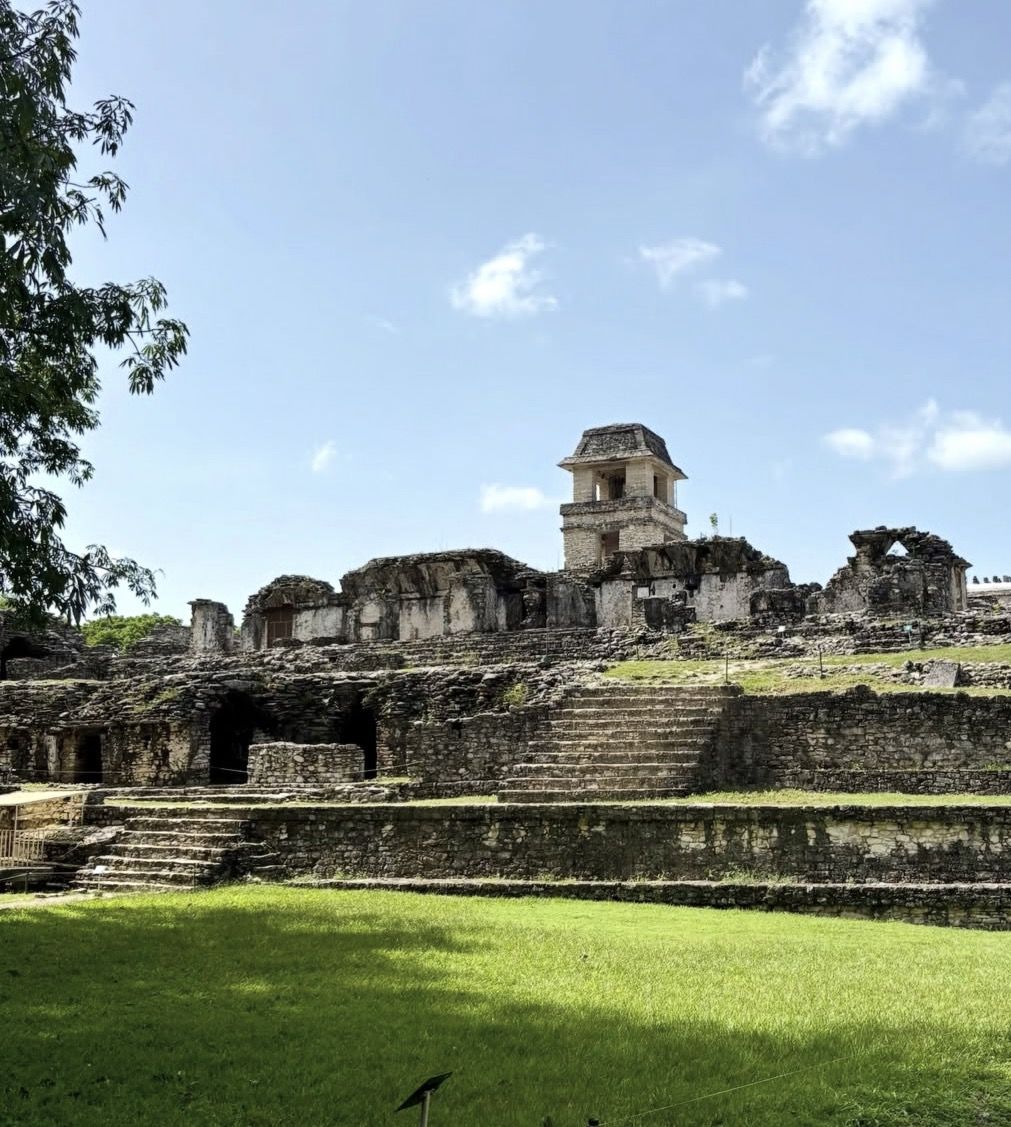
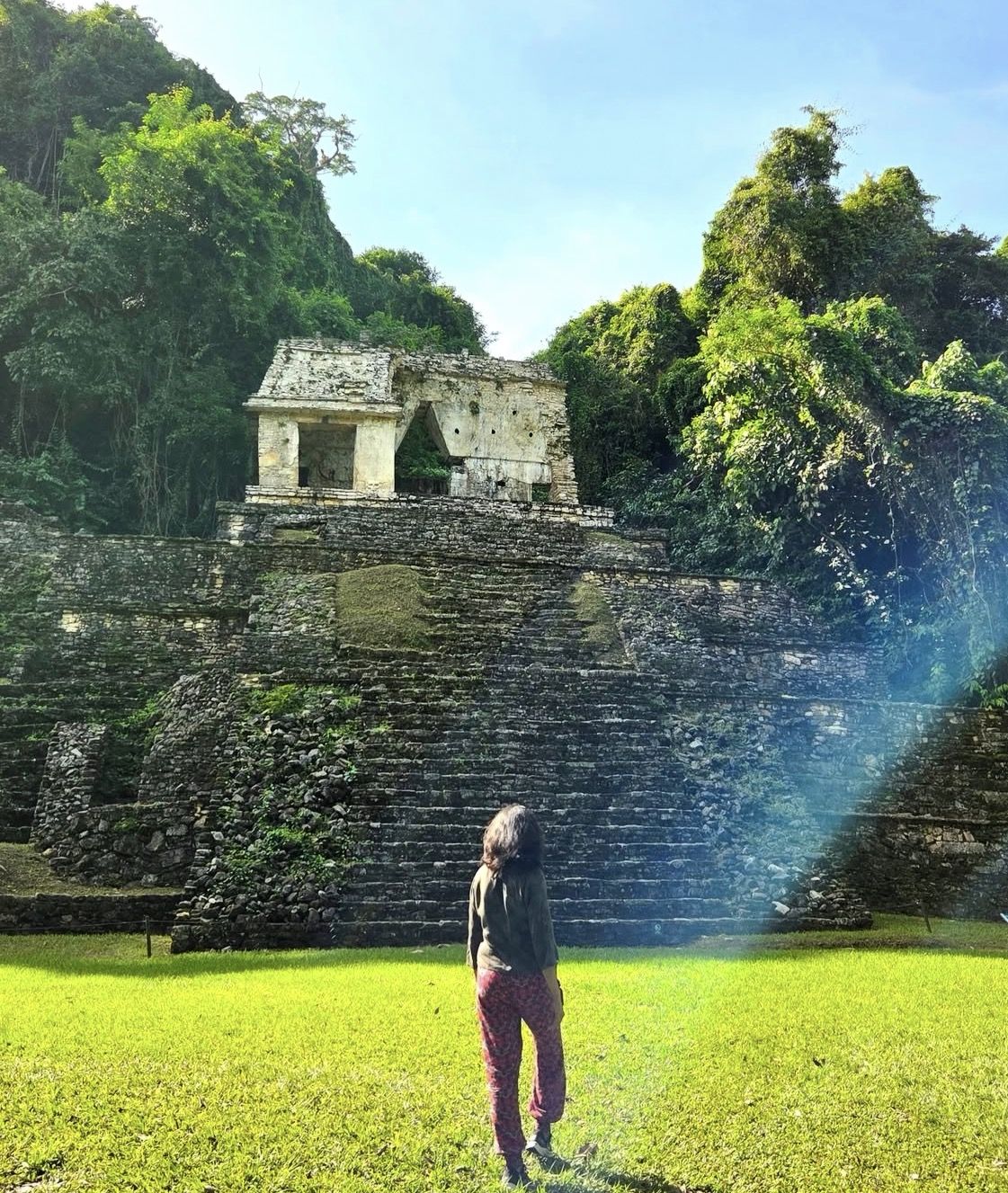
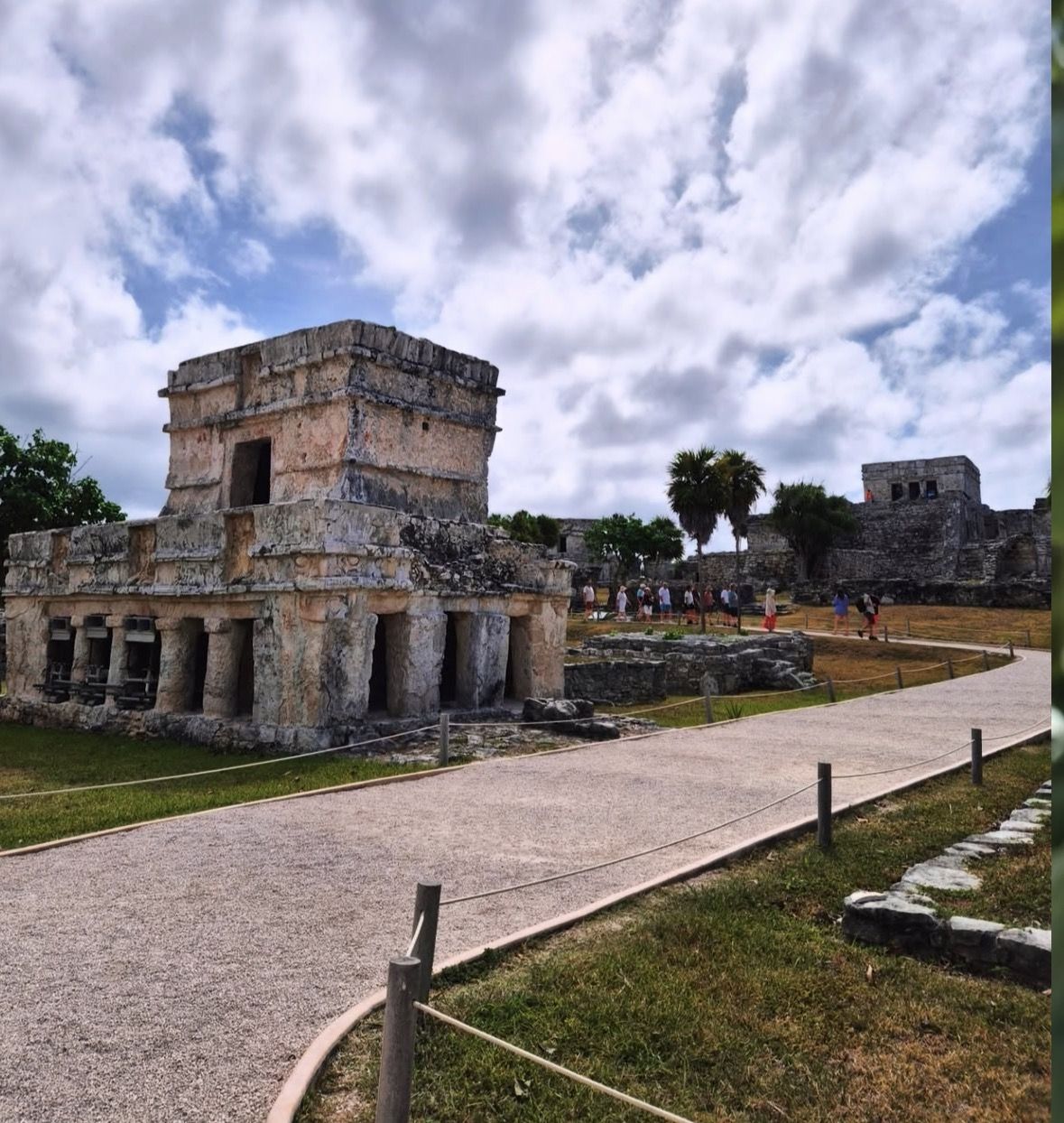
Today, Tulum Archaeological Zone receives more than two million visitors annually, making it one of the most-visited pre-Columbian sites in all of Mexico and a cornerstone of the Riviera Maya's tourism economy. The site covers approximately 16 acres and contains around 60 individual structures in varying states of preservation. INAH continues to conduct ongoing conservation work, including restoration of frescoes and structural stabilization of El Castillo and the Temple of the Frescoes — the latter renowned for its detailed painted murals depicting Maya deities and cosmological scenes. In 2023, access to certain structures was restricted to protect against the accelerating erosion caused by the sheer volume of daily foot traffic.
Visiting Tulum today means standing at the intersection of ancient wonder and natural spectacle unlike anywhere else on earth. Imagine exploring thousand-year-old temples while iguanas bask on carved stone altars, with the Caribbean shimmering impossibly blue below the cliffs and trade winds carrying the scent of salt and jungle through the ruins. Guided tours led by expert archaeologists and historians transform the stones from mere monuments into a living narrative of ambition, faith, ingenuity, and resilience. Whether you are a first-time visitor to Mexico or a seasoned traveler, Tulum Ruins offer an experience that is genuinely irreplaceable — come discover why this ancient city of dawn still captivates the modern world.
Ready to Experience It Yourself?
Don't just see the ruins — understand them. Booking a guided tour with a certified local expert unlocks the hidden stories behind every temple, fresco, and sea-cliff panorama that photographs simply cannot capture. Reserve your spot today and walk the same clifftop paths that Maya merchants, priests, and seafarers walked over a thousand years ago.
Book Your Tour Now